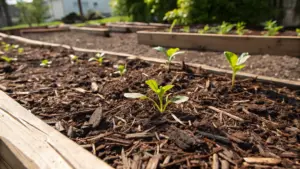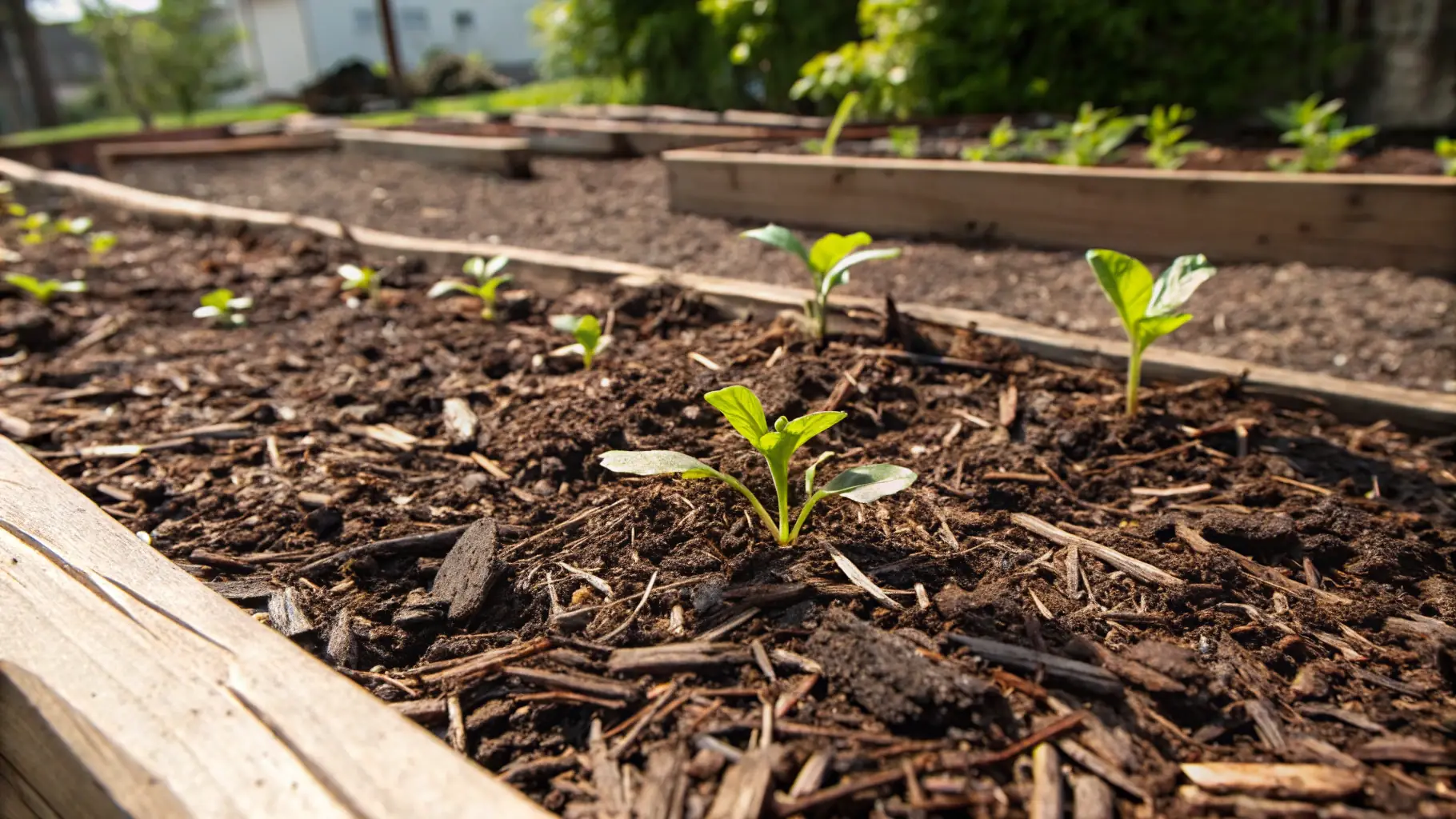
Mulching is an essential practice for maintaining healthy gardens and lawns, offering a multitude of benefits that contribute to overall plant health and soil quality. One of the primary advantages of mulching is its ability to retain soil moisture, reducing the need for frequent watering. A layer of mulch acts as a barrier, preventing water from evaporating quickly and keeping the soil consistently moist. This is particularly beneficial during hot and dry periods, helping plants thrive even under challenging conditions.
Mulch also serves as an effective weed control method, suppressing weed growth by blocking sunlight and preventing weed seeds from germinating. By reducing weed competition, mulch allows your desired plants to flourish without being overshadowed or deprived of essential nutrients. Additionally, organic mulches, such as wood chips, bark, and compost, gradually decompose over time, enriching the soil with valuable nutrients and improving its structure. This process enhances soil fertility, promoting healthy root development and vigorous plant growth.
Furthermore, mulch helps regulate soil temperature, keeping it cooler in the summer and warmer in the winter. This temperature regulation protects plant roots from extreme temperature fluctuations, preventing stress and promoting overall plant health. When selecting a mulch, consider the specific needs of your plants and the aesthetic appeal you desire. Whether you choose organic or inorganic mulch, the benefits of this simple practice are undeniable, contributing to a healthier, more vibrant, and sustainable landscape.